Unit 9
Basepoint Business Centre ,
Isidore Road,
Bromsgrove,
Worcestershire,
B60 3ET
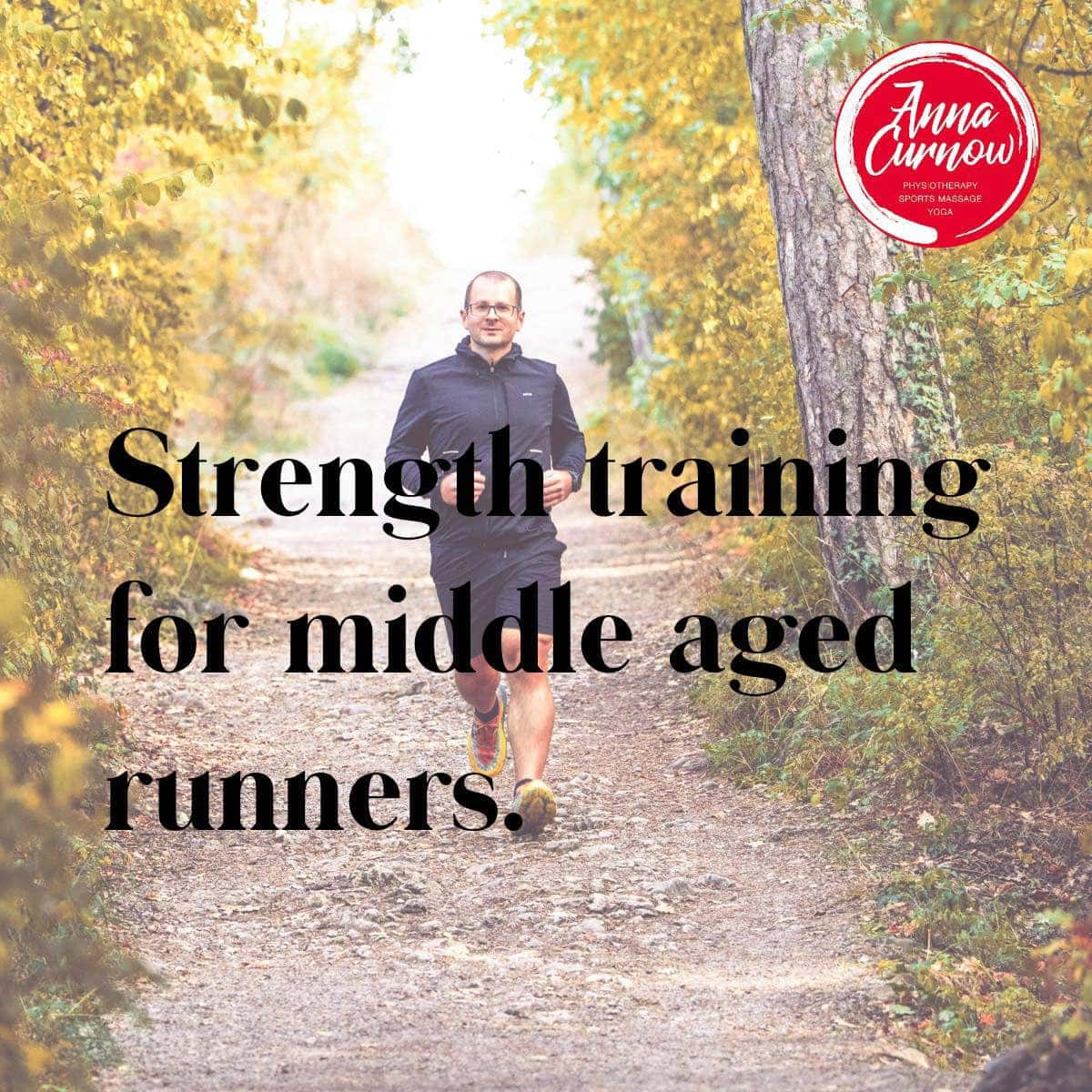
Running brings freedom, focus, and fitness, but as we move through our 40s, 50s, and beyond, staying injury-free becomes more than just about clocking miles. The truth is, no matter how consistent the training plan is, without strength training, the body can start to show cracks.
At Anna Curnow Physiotherapy, our team sees countless runners who love their weekly miles but are frustrated by recurring pain, fatigue, or slower recovery. The good news? A smart, structured strength routine can be the missing piece that transforms not only running performance but long-term physical health.
From roughly the age of 35, muscle mass naturally begins to decline — a process known as sarcopenia. Without regular resistance training, the average person can lose up to 3–5% of muscle strength every decade. For runners, that means every stride puts slightly more pressure on joints and connective tissues, leading to overuse injuries and reduced performance.
The key isn’t to run less, but to support your body better. By incorporating focused strength training, you can:
At Anna Curnow Physiotherapy Bromsgrove, our physiotherapists specialise in helping recreational and competitive runners adapt to these changes with safe, progressive training techniques.

Think of strength training as investing in your running efficiency — teaching your muscles to do more with less effort. When muscles become stronger and more coordinated, your body uses energy more effectively, allowing you to sustain faster paces with less strain.
Here are a few performance benefits you’ll notice after a few consistent weeks of structured workouts:
Regular physiotherapy check-ins and recovery sessions such as sports massage therapy can complement these adaptations, helping the muscles to rebuild quicker and move more freely.
Many runners avoid the gym because they think it will make them bulky or slow. In reality, targeted strength sessions focus on functional movements — those that directly improve running mechanics. You don’t need fancy machines or hours of lifting. Just two well-structured sessions per week can be enough.
A beginner-friendly strength routine may include 4–6 key exercises such as:
At AC Physio’s physiotherapy service, our professionals coach proper form and technique to ensure workouts are not only effective but safe. Each exercise should challenge the muscles — the final 2 or 3 repetitions of each set should feel demanding while still maintaining correct posture.
One of the biggest fears among middle-aged runners is getting sidelined by injury. A pulled hamstring, sore knee, or Achilles tightness can quickly undo months of consistent training. Strength training helps by increasing tissue resilience — allowing muscles and tendons to tolerate greater loads without breaking down.
Common running injuries such as plantar fasciitis, IT band syndrome, and hip discomfort are often linked to muscle imbalances or weak stabilisers. Strengthening smaller muscle groups — like the glutes, calves, and core — creates a more balanced system, reducing the likelihood of overuse problems.
Should pain occur, professional help is just around the corner. Anna Curnow Physiotherapy Bromsgrove offers personalised treatments designed to identify underlying causes and restore pain-free movement as quickly as possible.
There’s a common misconception that strength work requires lengthy gym sessions or complex equipment. In reality, even minimal time investment can yield huge rewards. A good rule of thumb:
As you gain experience, you can add resistance bands, free weights, or body-weight progressions to continue challenging the muscles. The aim is not to become a weightlifter, but a stronger, more efficient runner.
For guidance, the Anna Curnow team can design a bespoke programme built around your running goals, current fitness, and available time — whether you train for parkruns, marathons, or trail adventures.
Strength alone isn’t enough. Mobility and recovery are key factors in maintaining longevity in running. Incorporating regular stretching, deep-tissue treatments, and rest intervals supports muscle repair and reduces stiffness.
Sports massage therapy in Bromsgrove is particularly beneficial for easing tension, promoting circulation, and speeding up recovery after heavy training weeks. Many runners use it as part of their regular maintenance routine, especially during the build-up to big events.
Additionally, exploring our treatment options can help you combine physiotherapy, manual therapy, and personalised rehabilitation to maintain a balanced body throughout your running journey.
Perhaps the most encouraging part of all this: it’s never too late to build strength. The body’s ability to adapt and grow stronger continues for decades when it’s given the right stimulus. Studies show that people beginning resistance training in their 50s and 60s still gain substantial improvements in muscle size, coordination, and endurance within months.
At Anna Curnow Physiotherapy Bromsgrove, we work with athletes of all ages. Our physiotherapists provide the tools, motivation, and evidence-based methods that help you overcome self-doubt and rediscover confidence in your body’s abilities. Whether recovering from an injury, returning to running, or chasing new personal bests, structured strength training can help you achieve it safely and sustainably.
Here’s how to start integrating strength training into your weekly schedule:
Regular physiotherapy check-ups can ensure your programme continues to match your body’s development. You might also want to check our wider services and exercise rehabilitation options for complementary recovery and performance tools.
Age doesn’t define your limits — strength does. With targeted training and expert guidance from Anna Curnow Physiotherapy Bromsgrove, your runs can feel smoother, safer, and stronger than ever.
Our physiotherapists are dedicated to helping runners improve performance, prevent injury, and move with confidence. Ready to take the next step? Visit our About Us page to meet the team, explore our tailored physiotherapy treatments, or contact us directly to book your consultation today.
Your strongest miles are still ahead — let’s get you there.